Author name: anuragupraity55@gmail.com

Google Ads

Google Ads: The Ultimate Guide to Driving Instant Traffic, Leads, and Sales

Google Ads: The Ultimate Guide to Driving Instant Traffic, Leads, and Sales Google Ads puts your business instantly in front of customers who are actively searching to buy. Unlike SEO (which takes time), Google Ads can start generating traffic, leads, and sales the same day you launch—if you set it up correctly. This complete guide walks you through what Google Ads is, how it works, which campaign type to choose, and how to build high-performing ads that don’t waste budget. What Is Google Ads and Why It Works So Well Google Ads is Google’s paid advertising platform that lets you show ads across: Google Search (text ads on top of search results) YouTube (video ads) Google Display Network (banner/image ads on websites and apps) Gmail (promotional placements) Google Shopping (product listings for e-commerce) Performance Max (automation-driven ads across multiple Google channels) The reason Google Ads is so powerful is intent. When someone searches “best orthodontist near me” or “buy running shoes online,” they’re not browsing—they’re looking to act. Your job is to appear at that moment with the right message and a smooth next step. How Google Ads Works (In Simple Words) Google Ads runs on an auction system. Every time someone searches a keyword, Google quickly decides: Which ads can appear In what order How much each click might cost But it’s not “highest bidder wins.” Google cares about user experience, so it uses two major factors: 1) Your Bid The maximum amount you’re prepared to spend for a single click or conversion. 2) Quality Score (and Ad Rank) Quality includes: Expected click-through rate (CTR) Ad relevance (does your ad match the search?) Landing page experience (is your page useful and fast?) A strong ad + strong landing page can often beat competitors with bigger budgets. Key Google Ads Terms You Must Know Before launching campaigns, understand these essentials: Keyword: The word/phrase users search (e.g., “dentist in Delhi”) Search Intent: Why they’re searching (buy, compare, learn, find a service) CPC (Cost Per Click): The amount you’re charged each time someone clicks your ad. CTR (Click Through Rate): Clicks ÷ impressions Conversion: A valuable action (lead form, call, purchase, WhatsApp click) CPA (Cost Per Acquisition): Cost to get one conversion ROAS (Return on Ad Spend): Revenue ÷ ad spend (mainly e-commerce) If you only track clicks and not conversions, you’ll never know what’s working. Which Google Ads Campaign Type Should You Choose? Different goals need different campaign types. Here’s a clear breakdown: 1) Search Campaigns (Best for Leads + High-Intent Sales) Search ads show when someone actively searches. These usually deliver the highest-quality leads because intent is strongest. Use Search Ads when: You offer services (salon, clinic, agency, coaching) You sell high-intent products You want fast lead generation 2) Performance Max (Best for Scale + Automation) Performance Max delivers your ads across Search, YouTube, Display, Gmail, and Discover using Google’s automation. It can work extremely well when conversion tracking is solid. Use PMax when: You have e-commerce or lots of conversions You can feed Google good data (purchases/leads) You want broader reach with optimization 3) Display Campaigns (Best for Awareness + Remarketing) Display ads are banners on websites/apps. Great for remarketing (bringing back visitors who didn’t convert). 4) YouTube Campaigns (Best for Branding + Demand Generation) Ideal when you want awareness, trust, and product discovery—especially for newer brands. 5) Shopping Campaigns (Best for E-commerce) Product listings with price, image, and reviews. Powerful for online stores, but requires a well-managed product feed. Step-by-Step: How to Set Up a Google Ads Search Campaign (That Actually Performs) Step 1: Define Your Goal (Don’t Skip This) Pick one primary goal: Calls Form submissions WhatsApp clicks Purchases Store visits Your campaign structure, bidding, and landing page depend on the goal. Step 2: Choose the Right Keywords Start with high-intent keywords: “buy” “price” “near me” “book” “service” “best” “quote” Example for a digital marketing agency: “google ads agency” “ppc services near me” “performance marketing agency” “google ads management cost” Pro tip: Don’t start too broad. Broad keywords burn budget fast unless you’re experienced with negative keywords and smart bidding. Step 3: Use Match Types Strategically Exact Match: Tight targeting, higher quality Phrase Match: Balanced reach + control Broad Match: Wider reach; use carefully, ideally with strong conversion data For most new accounts: start with Exact + Phrase, then expand. Step 4: Write Ads That Match Intent A high-performing search ad usually includes: The keyword in the headline A strong benefit (fast, affordable, proven, trusted) A clear call-to-action (Book Now, Get Quote, Call Today) Trust boosters (reviews, years, guarantees) Example Ad Copy (Service Business):Headline ideas: Google Ads Management for Fast Leads Get More Sales with PPC Experts Certified Google Ads Agency Descriptions: Launch high-converting campaigns with tracking + landing page optimization. Book a free strategy call. Transparent pricing. Weekly reporting. Step 5: Add Extensions (They Increase CTR) Use ad assets like: Sitelinks (Services, Pricing, Contact, Case Studies) Callouts (No Contracts, Weekly Reports, 24/7 Support) Structured snippets (Services: SEO, PPC, SMM, Web Design) Call extension (for direct calls) Location extension (if you have a physical location) Extensions improve your ad size and credibility—often lowering CPC. Landing Pages: The Hidden Key to Cheaper Leads Many advertisers focus only on ads—but Google also judges your landing page experience. If your landing page is weak, you’ll pay more and convert less. A high-converting landing page should have: A clear headline matching the ad promise One primary CTA (Call / Form / WhatsApp) Social proof (reviews, testimonials, logos) Fast loading speed (especially mobile) Simple form (name + phone + requirement is often enough) Clear offer (free audit, discount, consultation, demo) Rule: Don’t send paid traffic to a generic homepage. Use a dedicated landing page per service. Conversion Tracking: If This Isn’t Set Up, You’re Guessing If you want real performance, track conversions properly: Lead form submissions (thank-you page or event tracking) Calls from ads Calls from landing page WhatsApp button clicks Purchases (with revenue) Once Google sees conversion data, it can

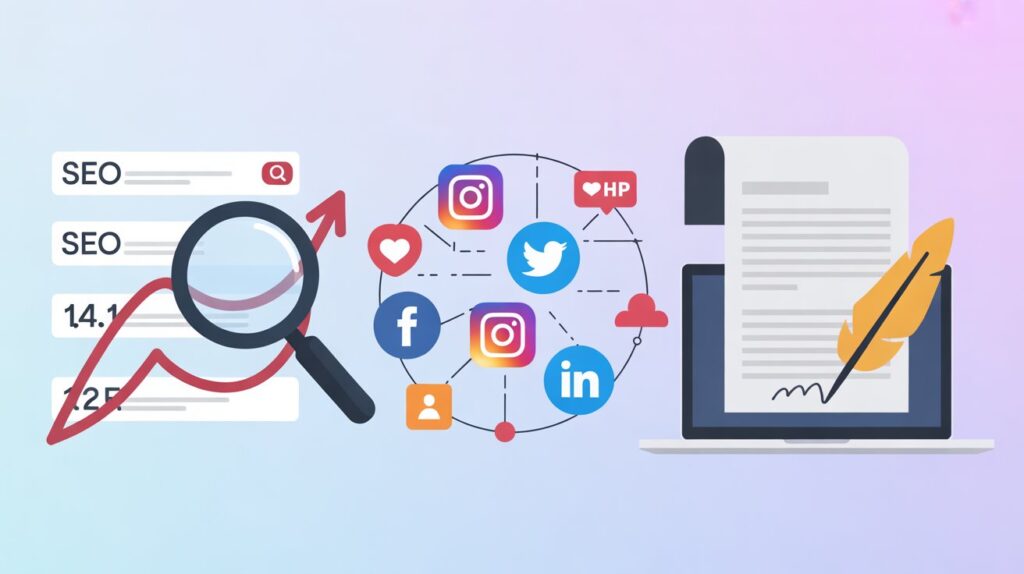
Content Writing & Copywriting

Content Writing and Copywriting: Turning Words Into Impact

In today’s fast-moving digital world, businesses are constantly competing for attention. With thousands of brands fighting for the same audience online, standing out is no longer optional—it is essential. This is where content writing and copywriting play a crucial role. At Gen-Alpha Marketing, we believe that powerful words create powerful brands. Whether it’s a website, blog, social media post, or advertisement, the right content can attract, engage, and convert your audience. In this blog, we’ll explore what content writing and copywriting are, their differences, benefits, and how they help businesses grow in the digital space. What Is Content Writing? Content writing is the process of creating informative, valuable, and engaging written material for online platforms. The main goal of content writing is to educate, inform, and build trust with the audience while improving search engine visibility. Content writing focuses on long-term growth by providing useful information that helps users solve problems or understand topics better. Examples of Content Writing Blog posts Website pages Articles Case studies Whitepapers Email newsletters FAQs Guides and tutorials At Gen-Alpha Marketing, our content writing strategy is built around SEO, audience intent, and brand voice, ensuring that your content ranks well and connects with readers. What Is Copywriting? Copywriting is the art of writing persuasive content that encourages users to take a specific action. Unlike content writing, copywriting is more sales-focused and conversion-driven. The goal of copywriting is simple: turn readers into customers. Examples of Copywriting Website headlines Landing pages Google Ads copy Social media ads Product descriptions Sales emails Call-to-action (CTA) text At Gen-Alpha Marketing, we create copy that doesn’t sound pushy but still convinces users to click, sign up, or buy. Content Writing vs Copywriting: Understanding the Difference Although content writing and copywriting are closely related, they serve different purposes. Content Writing Copywriting Focuses on information Focuses on persuasion Long-term strategy Short-term results SEO-driven Conversion-driven Builds trust and authority Drives sales and leads Educational tone Emotional and action-oriented tone For a successful digital marketing strategy, both are equally important. That’s why Gen-Alpha Marketing combines content writing and copywriting to deliver maximum impact. Why Content and Copywriting Are Important for Digital Marketing In digital marketing, content is not just words—it’s a communication tool that shapes your brand image. Let’s understand why it matters so much. 1. Improves Search Engine Rankings (SEO) Search engines love fresh, relevant, and high-quality content. SEO-optimized blogs and website content help your business rank higher on Google, increasing organic traffic. At Gen-Alpha Marketing, we use: Keyword research Proper headings (H1, H2, H3) Internal linking Optimized meta descriptions This ensures your content is both user-friendly and search-engine friendly. 2. Builds Brand Authority and Trust When users find helpful and accurate information on your website, they start trusting your brand. Regular content updates position your business as an industry expert. Strong content helps you: Educate your audience Answer their questions Build long-term credibility 3. Drives Engagement and Traffic Good content keeps visitors on your website longer. Blogs, guides, and well-written copy reduce bounce rates and improve user engagement. Engaged users are more likely to: Share your content Subscribe to your emails Return to your website 4. Boosts Conversions and Sales Persuasive copywriting directly impacts conversions. From a compelling headline to a strong call-to-action, every word matters. Effective copy can: Increase click-through rates Improve lead generation Drive product or service sales Types of Content Writing Services We Offer at Gen-Alpha Marketing At Gen-Alpha Marketing, we provide a wide range of content writing services tailored to business goals. Website Content Writing Your website is your digital identity. We create clear, engaging, and SEO-friendly website content that reflects your brand and converts visitors into customers. Blog Writing Blogs are essential for SEO and audience engagement. Our blogs are: Keyword-optimized Easy to read Informative and value-driven We help businesses attract organic traffic through consistent blogging. SEO Content Writing SEO content is written with search engines and users in mind. We focus on ranking keywords while maintaining natural readability. Technical and Informational Content From how-to guides to detailed explanations, we create content that simplifies complex topics and adds value. Types of Copywriting Services We Provide Copywriting is all about impact. At Gen-Alpha Marketing, our copywriting services are designed to convert. Website Copywriting We write compelling homepage content, service pages, and CTAs that clearly communicate your value proposition. Ad Copywriting Our ad copies are designed to grab attention instantly, whether it’s Google Ads, Meta Ads, or social media promotions. Landing Page Copywriting High-converting landing pages require the right mix of emotion, clarity, and persuasion. We design copy that encourages users to take action. Email Copywriting Emails are still one of the highest ROI marketing tools. We write emails that are personalized, engaging, and conversion-focused. The Role of SEO in Content and Copywriting SEO and content go hand in hand. Without SEO, even the best content may not reach the right audience. Key SEO Elements We Focus On Keyword research and placement Search intent optimization Meta titles and descriptions Readability and structure Internal and external linking At Gen-Alpha Marketing, we write content for humans first, then optimize it for search engines. How Good Content Supports the Buyer’s Journey Every customer goes through different stages before making a purchase. Content and copywriting help at each stage. Awareness Stage Blogs, social media posts, and informative articles help users discover your brand. Consideration Stage Case studies, comparison blogs, and service pages help users evaluate your offerings. Decision Stage Landing pages, testimonials, and persuasive copy push users to take action. Why Choose Gen-Alpha Marketing for Content and Copywriting? There are many agencies, but Gen-Alpha Marketing stands out because we focus on results, not just words. Our Strengths SEO-focused writing approach Simple and easy language Audience-centric strategy Industry-relevant content 100% original and plagiarism-free content We don’t believe in generic content. Every brand is unique, and so is our writing. Common Mistakes Businesses Make in Content and Copywriting Many businesses struggle with content because of common mistakes like: Keyword stuffing Poor readability No clear call-to-action

SEO

What Is SEO and Why Does Your Website Need It?

In today’s digital world, having a beautiful website is like owning a gorgeous storefront on a deserted back street. No matter how great your products or services are, if people can’t find you, you won’t make any sales. That’s where Search Engine Optimization (SEO) comes in. SEO is simply the process of making your website as attractive as possible to search engines like Google, so that when people look for things you offer, your site shows up at the top of the list. Think of SEO as your website’s 24/7 digital salesperson and visibility manager. This guide will break down exactly what SEO is, how it works in simple terms, and why it is absolutely vital for the survival and growth of your website and business. What Exactly is SEO? SEO stands for Search Engine Optimization. Search Engine: This is the tool people use to find information online—Google, Bing, Yahoo. Google is by far the biggest, so when we talk about SEO, we are usually focusing on what Google wants. Optimization: This means making changes to your website so that it meets the “rules” and preferences of the search engines. It’s like polishing your store windows and organizing your shelves so customers (and the search engine inspector) have a great experience. In its simplest form, SEO is the practice of increasing the quality and quantity of traffic to your website through organic search results. The word “organic” is key. It means you are not paying for the clicks (that would be advertising, or PPC). These are the free, natural results that pop up when you search for something. Ranking high in these organic results is the main goal of SEO.   How Does a Search Engine Work?   To understand SEO, you first need to know how search engines decide what to show you. It happens in three main steps: Crawling: Google has tiny robots called spiders or crawlers that constantly explore the internet. They start at a few known web pages and follow the links on those pages, discovering new pages and websites along the way. Indexing: When a spider finds a page, it reads the content, pictures, videos, and code. If the page is deemed good and useful, Google stores it in a massive database called the Index. Think of the Index as a giant library where Google keeps copies of every good web page it has found. If your page isn’t in the Index, it can’t show up in search results. Ranking: When you type a search query (like “best coffee near me”), Google quickly scans its Index for all the pages that contain relevant information. It then uses a secret, complex algorithm (a set of rules) to score and rank those pages, putting the absolute best results at the very top. SEO is the work you do to convince Google’s algorithm that your page is the absolute best result for a specific search. Part 2: Why Does Your Website Need SEO? The Crucial Benefits If your business relies on customers finding you online—which nearly all do—then SEO is not optional; it’s the foundation of your long-term marketing success. Here are the core reasons why your website needs it: It Drives Free Traffic (The Best Kind!)   Visibility = Traffic: Most people never click past the first page of Google results. In fact, the top three organic results get the vast majority of all clicks. If you’re on page 2 or beyond, you are invisible. SEO helps you climb that ladder. Sustainable and Cost-Effective: Unlike paid ads, where the traffic stops the second you stop paying, organic traffic earned through SEO is free and sustainable. A piece of content you optimize today can continue bringing you visitors for years without continuous spending. For small businesses, this is huge! It Builds Trust and Credibility (Authority)   The Google Stamp of Approval: Users inherently trust Google. When Google places your website at the top of its search results, it’s like a powerful recommendation. Users see high-ranking sites as more trustworthy, authoritative, and credible. E-E-A-T: Google even has a framework called E-E-A-T (Experience, Expertise, Authoritativeness, and Trustworthiness) that it uses to judge the quality of a website. Good SEO practices, like creating high-quality, truthful content and earning links from other trusted sites, directly improve your E-E-A-T score.   3. It Brings You the Right Customers (Targeted Traffic)   Matching Intent: SEO isn’t just about getting more traffic; it’s about getting the right traffic. When someone searches for “repair leaky kitchen faucet,” they have a clear problem. If your website is a plumbing service that ranks #1 for that term, the visitor is highly likely to become a paying customer. This is called targeting search intent. High Conversion Rates: Because organic visitors are actively searching for a solution you provide, they are much closer to making a purchase than someone who just stumbled upon an ad. This means organic traffic often has the highest conversion rate (visitors turning into customers).   4. It Improves the User Experience (UX)   Google Rewards Good Websites: Google wants to give its users the best possible experience. Therefore, a major part of SEO is making your website fast, easy to navigate, and safe. Mobile-Friendly: Since most people search on their phones, a key SEO factor is being mobile-friendly. A website that loads quickly and looks great on a smartphone will naturally rank higher. When you invest in SEO, you are simultaneously investing in a better experience for your human visitors. 5. It Gives You a Competitive Edge   Outrank the Giants: Even if you’re a small local business, smart SEO can help you compete with larger national companies who might not be focused on local or niche keywords. By optimizing for specific, relevant terms, you can steal traffic and market share from competitors.   The Three Pillars of SEO (How to Do It) SEO might sound complex, but it can be broken down into three main areas of work. If you work on all

Social Media Marketing

How Social Media Marketing Works: Strategies, Benefits & Best Practices

In today’s world, it’s hard to find someone who isn’t on social media. From scrolling through Instagram to watching TikTok videos, billions of people worldwide spend hours every day on platforms like Facebook, Twitter, and LinkedIn. For businesses, this isn’t just a fun pastime; it’s a massive opportunity! Social Media Marketing is simply using these social media platforms to connect with your customers, build your brand, and boost your sales. It’s like having a friendly, always-on billboard and customer service desk all rolled into one, allowing you to talk directly to the people who matter most to your business. This guide will break down what social media marketing is, why it’s so important, and how you can use it effectively to help your business grow. What Exactly is Social Media Marketing? Social media marketing (SMM) is the process of creating content for social media platforms to promote your products or services, build community with your target audience, and drive traffic to your website. It’s more than just posting a picture; it involves a whole strategy to achieve your business goals. Think of it this way: Before Social Media: If you wanted to reach customers, you might buy an ad in a newspaper, send out flyers, or run a TV commercial. This was mostly a one-way street. With Social Media: You can post updates, photos, videos, and stories. Customers can then like, share, comment, and even send you direct messages. It’s a two-way conversation that helps you build relationships. Common Social Media Platforms Used for Marketing: Each platform has its own strengths and audience, so choosing the right ones for your business is key. Facebook: Great for community building, groups, and broad audience reach. Instagram: Highly visual, perfect for fashion, food, travel, and lifestyle brands. Twitter (now X): Best for real-time news, quick updates, and engaging in conversations. LinkedIn: Essential for B2B (business-to-business) marketing, professional networking, and recruiting. Pinterest: Ideal for visual discovery, linking to products, recipes, and DIY ideas. YouTube: The king of long-form video, perfect for tutorials, reviews, and entertainment. Why Does Your Business ABSOLUTELY Need Social Media Marketing?   You might be thinking, “Do I really need another thing to do?” The answer is a resounding YES! Here’s why social media marketing is no longer optional for businesses:   1. Your Customers Are Already There   This is the biggest reason. Billions of people use social media daily. If your customers are spending hours scrolling through their feeds, you need to be there too. It’s where they discover new products, read reviews, and interact with brands. If you’re not there, your competitors likely are.   2. It Builds Brand Awareness and Recognition   Social media is fantastic for getting your brand name and what you do in front of more eyes. Regular posting keeps your brand fresh in people’s minds. The more people see your logo, your posts, and your content, the more familiar they become with your brand, making them more likely to remember you when they need what you offer.   3. It Connects You Directly with Customers Social media breaks down the walls between businesses and customers. You can: Answer questions: Provide quick customer service. Get feedback: Understand what customers like or dislike. Build relationships: Engage in conversations, celebrate their successes, and show you care. This direct interaction builds trust and loyalty, making customers feel valued and heard.   4. It Drives Traffic to Your Website   Every post can include a link back to your website, whether it’s a new blog post, a product page, or a special offer. Social media acts as a powerful funnel, bringing interested people from their social feeds directly to your online store or information hub.   5. It Boosts Your Sales (Directly and Indirectly)   While not every post will lead to an immediate sale, social media contributes heavily to your bottom line: Direct Sales: Many platforms offer “Shop” features or allow direct product tagging, making it easy for people to buy what they see. Indirect Sales: By building trust, brand awareness, and driving traffic, social media makes it more likely that people will choose your business when they’re ready to buy.   6. It Helps You Understand Your Audience Social media platforms offer powerful analytics tools. You can see: Who your followers are (age, location, interests). What kind of content they like best. When they are most active online. This information is gold! It helps you create better content, refine your products, and make smarter business decisions.   7. It Keeps You Competitive   If your competitors are using social media effectively, and you’re not, you’re already behind. Social media allows you to see what your competitors are doing, learn from their successes (and mistakes), and find ways to stand out.   How to Do Social Media Marketing Effectively: Your Step-by-Step Plan   Now that you know why it’s important, let’s talk about how to do it well. It’s not just about posting randomly!   Step 1: Set Clear Goals (What Do You Want to Achieve?)   Before you post anything, ask yourself: “What do I want to accomplish with social media?” Your goals might be: Increase brand awareness (get more people to know about you). Drive traffic to your website. Generate new leads (find potential customers). Increase sales. Improve customer service. Build a strong community around your brand. Knowing your goals helps you choose the right platforms and create the right content.   Step 2: Know Your Audience (Who Are You Talking To?)   You can’t talk to everyone at once. Think about your ideal customer: Age and Gender: Are they teenagers or seniors? Male or female? Location: Where do they live? Interests: What do they like? What are their hobbies? Pain Points: What problems do they have that your business can solve? Which Platforms do they use? Are they on TikTok or LinkedIn? The better you know your audience, the easier it is to create content they will love and find them on the

wpChatIcon
wpChatIcon
Scroll to Top