
In today’s world, it’s hard to find someone who isn’t on social media. From scrolling through Instagram to watching TikTok videos, billions of people worldwide spend hours every day on platforms like Facebook, Twitter, and LinkedIn. For businesses, this isn’t just a fun pastime; it’s a massive opportunity!
Social Media Marketing is simply using these social media platforms to connect with your customers, build your brand, and boost your sales. It’s like having a friendly, always-on billboard and customer service desk all rolled into one, allowing you to talk directly to the people who matter most to your business.
This guide will break down what social media marketing is, why it’s so important, and how you can use it effectively to help your business grow.
What Exactly is Social Media Marketing?
Social media marketing (SMM) is the process of creating content for social media platforms to promote your products or services, build community with your target audience, and drive traffic to your website.
It’s more than just posting a picture; it involves a whole strategy to achieve your business goals.
Think of it this way:
-
Before Social Media: If you wanted to reach customers, you might buy an ad in a newspaper, send out flyers, or run a TV commercial. This was mostly a one-way street.
-
With Social Media: You can post updates, photos, videos, and stories. Customers can then like, share, comment, and even send you direct messages. It’s a two-way conversation that helps you build relationships.
Common Social Media Platforms Used for Marketing:
Each platform has its own strengths and audience, so choosing the right ones for your business is key.
-
Facebook: Great for community building, groups, and broad audience reach.
-
Instagram: Highly visual, perfect for fashion, food, travel, and lifestyle brands.
-
Twitter (now X): Best for real-time news, quick updates, and engaging in conversations.
-
LinkedIn: Essential for B2B (business-to-business) marketing, professional networking, and recruiting.
-
Pinterest: Ideal for visual discovery, linking to products, recipes, and DIY ideas.
-
YouTube: The king of long-form video, perfect for tutorials, reviews, and entertainment.
Why Does Your Business ABSOLUTELY Need Social Media Marketing?
You might be thinking, “Do I really need another thing to do?” The answer is a resounding YES! Here’s why social media marketing is no longer optional for businesses:
1. Your Customers Are Already There
This is the biggest reason. Billions of people use social media daily. If your customers are spending hours scrolling through their feeds, you need to be there too. It’s where they discover new products, read reviews, and interact with brands. If you’re not there, your competitors likely are.
2. It Builds Brand Awareness and Recognition
Social media is fantastic for getting your brand name and what you do in front of more eyes. Regular posting keeps your brand fresh in people’s minds. The more people see your logo, your posts, and your content, the more familiar they become with your brand, making them more likely to remember you when they need what you offer.
3. It Connects You Directly with Customers
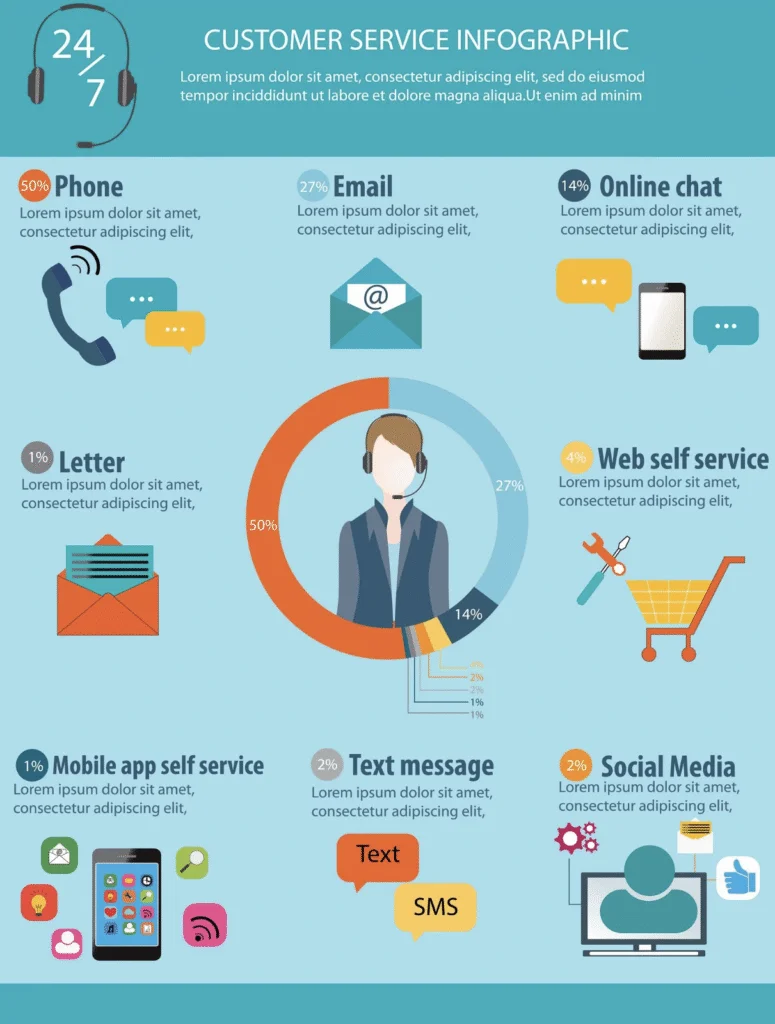
Social media breaks down the walls between businesses and customers. You can:
-
Answer questions: Provide quick customer service.
-
Get feedback: Understand what customers like or dislike.
-
Build relationships: Engage in conversations, celebrate their successes, and show you care.
This direct interaction builds trust and loyalty, making customers feel valued and heard.
4. It Drives Traffic to Your Website
Every post can include a link back to your website, whether it’s a new blog post, a product page, or a special offer. Social media acts as a powerful funnel, bringing interested people from their social feeds directly to your online store or information hub.
5. It Boosts Your Sales (Directly and Indirectly)
While not every post will lead to an immediate sale, social media contributes heavily to your bottom line:
-
Direct Sales: Many platforms offer “Shop” features or allow direct product tagging, making it easy for people to buy what they see.
-
Indirect Sales: By building trust, brand awareness, and driving traffic, social media makes it more likely that people will choose your business when they’re ready to buy.
6. It Helps You Understand Your Audience

Social media platforms offer powerful analytics tools. You can see:
-
Who your followers are (age, location, interests).
-
What kind of content they like best.
-
When they are most active online.
This information is gold! It helps you create better content, refine your products, and make smarter business decisions.
7. It Keeps You Competitive
If your competitors are using social media effectively, and you’re not, you’re already behind. Social media allows you to see what your competitors are doing, learn from their successes (and mistakes), and find ways to stand out.
How to Do Social Media Marketing Effectively: Your Step-by-Step Plan
Now that you know why it’s important, let’s talk about how to do it well. It’s not just about posting randomly!
Step 1: Set Clear Goals (What Do You Want to Achieve?)
Before you post anything, ask yourself: “What do I want to accomplish with social media?” Your goals might be:
-
Increase brand awareness (get more people to know about you).
-
Drive traffic to your website.
-
Generate new leads (find potential customers).
-
Increase sales.
-
Improve customer service.
-
Build a strong community around your brand.
Knowing your goals helps you choose the right platforms and create the right content.
Step 2: Know Your Audience (Who Are You Talking To?)
You can’t talk to everyone at once. Think about your ideal customer:
-
Age and Gender: Are they teenagers or seniors? Male or female?
-
Location: Where do they live?
-
Interests: What do they like? What are their hobbies?
-
Pain Points: What problems do they have that your business can solve?
-
Which Platforms do they use? Are they on TikTok or LinkedIn?
The better you know your audience, the easier it is to create content they will love and find them on the right platforms.
Step 3: Choose Your Platforms Wisely (Don’t Be Everywhere at Once!)
It’s tempting to try and be on every single social media site, but that’s a recipe for burnout. Focus your efforts where your ideal customers spend most of their time.
-
Visual products (clothes, food, art)? Instagram, Pinterest, TikTok.
-
Professional services (consulting, B2B)? LinkedIn.
-
News and quick updates? X (formerly Twitter).
-
Long-form video tutorials? YouTube.
Start with 1-2 platforms and do them really well before expanding.
Step 4: Create a Content Strategy (What Will You Post?)
This is where the creativity comes in! Your content needs to be engaging, valuable, and consistent.
-
Mix It Up: Don’t just promote your products all the time. Share helpful tips, behind-the-scenes glimpses, funny stories, ask questions, and run polls.
-
Use Different Formats: Photos, videos, infographics, live streams, stories, reels, carousels—each platform loves different things.
-
Be Consistent: Develop a posting schedule. Whether it’s daily, three times a week, or once a week, stick to it. Consistency keeps your audience engaged and tells the platform that your account is active.
-
Brand Voice: Develop a consistent “voice” for your brand. Are you funny, serious, inspiring, informative?
Step 5: Engage with Your Audience (It’s Social for a Reason!)

Social media isn’t a broadcasting tool; it’s for interaction.
-
Respond to Comments and Messages: Always reply to comments and direct messages promptly. This shows you care and builds loyalty.
-
Like and Share Others’ Content: Engage with relevant accounts in your industry or with your customers.
-
Ask Questions: Encourage your audience to participate. Run polls, ask for opinions, or host Q&A sessions.
Step 6: Use Social Media Advertising (Paid Social)
While organic reach (free posts) is great, paid social media ads can significantly boost your efforts.
-
Targeting: Platforms like Facebook and Instagram allow you to target ads to very specific groups of people based on age, location, interests, behaviors, and more. This ensures your ads are seen by the people most likely to be interested in your business.
-
Budget Control: You set your budget, so you’re always in control of your spending.
-
Reach New Audiences: Paid ads help you reach people who don’t already follow you but fit your ideal customer profile.
Step 7: Measure Your Results (Are You Reaching Your Goals?)
All social media platforms have built-in analytics. Look at:
-
Follower Growth: How many new followers are you getting?
-
Reach: How many unique people saw your posts?
-
Engagement Rate: How many likes, comments, and shares are your posts getting compared to your follower count?
-
Website Clicks: How many people clicked from your social media posts to your website?
-
Conversions/Sales: Are your social media efforts leading to actual sales or leads?
By tracking these numbers, you can see what’s working, what’s not, and adjust your strategy over time.
Common Mistakes to Avoid in Social Media Marketing
-
Being Inconsistent: Posting once a month and then disappearing won’t get you results.
-
Being Too Salesy: Don’t just spam your audience with “Buy Now!” messages. Provide value.
-
Ignoring Comments/Messages: This is a quick way to lose customer trust.
-
Not Having a Strategy: Posting without a plan is like driving without a map.
-
Buying Followers: Fake followers don’t engage and can actually harm your reputation.
-
Ignoring Analytics: If you don’t measure, you don’t know if you’re succeeding.
The Future of Social Media Marketing
Social media is always changing! Here’s what’s becoming more important:
-
Video Content: Short-form video (Reels, TikTok) continues to dominate.
-
Influencer Marketing: Partnering with popular social media users to promote your products.
-
Live Shopping: Businesses selling products directly through live video streams.
-
Augmented Reality (AR) Filters: Interactive filters that let users “try on” products virtually.
-
Authenticity: People want real, unpolished content from brands.

